





Manufacturer-led approach
New systems, refurbishment, service and parts are reviewed within one engineering and manufacturing workflow.
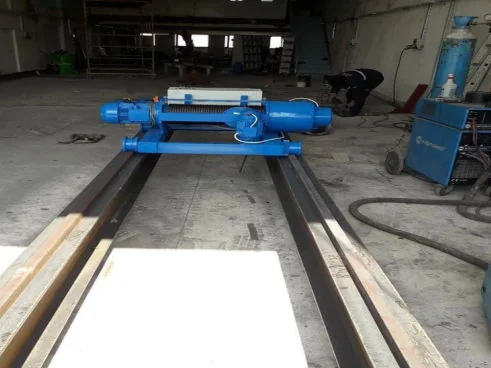
Monorail crane systems combine a supporting runway, hoist and controls for production and maintenance areas where loads follow a defined route.
Rated load alone is not enough; load geometry, motions, duty, headroom and site conditions are reviewed together.
Explore technical path 02Product family, motions, controls and project requirements are defined within the engineering scope.
Explore technical path 03Mechanical arrangement, power, controls and functional checks are part of the site plan.
Explore technical path 04Maintenance, breakdown and parts requirements are not separated from product selection.
Explore technical pathWorkshop and field footage, technical content and service routes are connected within one information architecture.
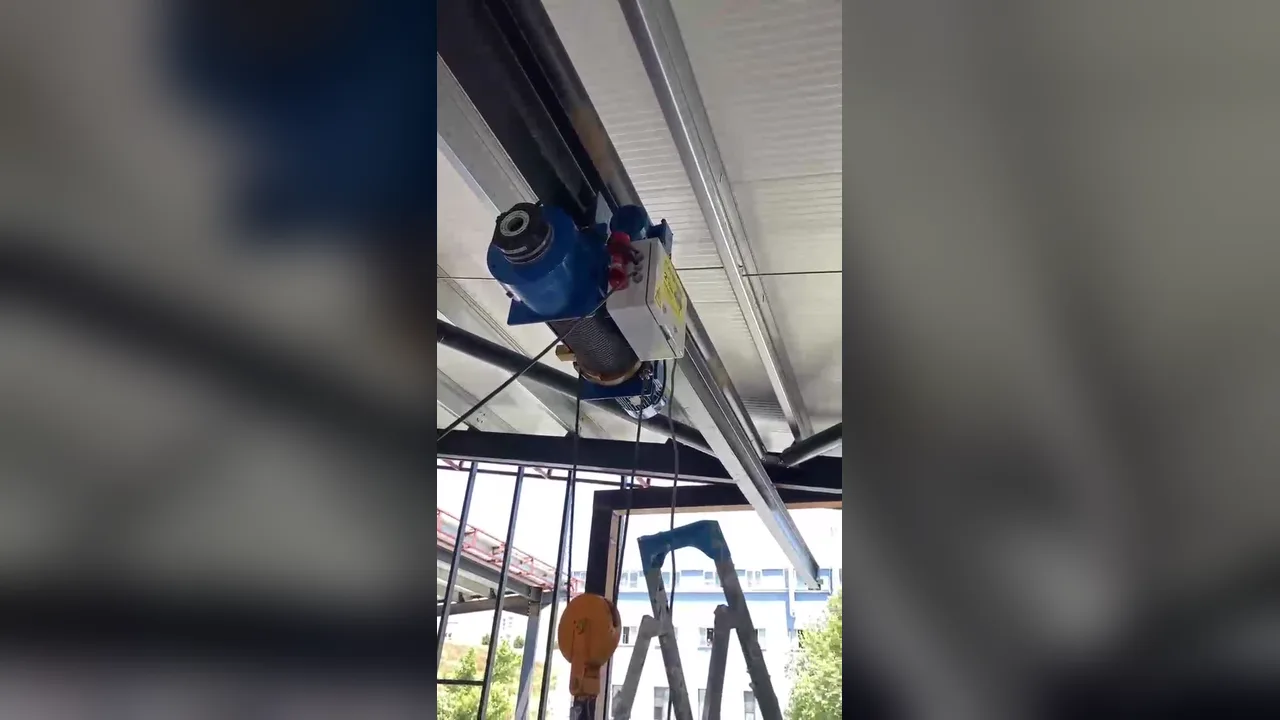
Use short questions to reach the right product or service family and transfer the result into a technical enquiry. It provides verifiable preliminary engineering direction, not a final calculation.
Use capacity, motion, duty, headroom and environment to identify the first product family.
Connects the symptom to the right service and part family without remote repair instructions.
Prioritises the route using recurring faults, parts availability, control technology and changed process needs rather than age alone.
Turns the core data required for first review into one structured WhatsApp message.
Monorail crane systems combine a supporting runway, hoist and controls for production and maintenance areas where loads follow a defined route.
The correct configuration is not determined by rated load alone. Load geometry, centre of gravity, cycle count, lifting distance, horizontal travel, environment and service access should be reviewed in one technical picture.
These phrases may describe the same technical requirement. Relevant links lead to the most useful selection, pricing, service, parts or fault page.
Runway route, beam, suspension points, curves, trolley, electrification and load flow define the project.
Clear definition of capacity, duty and site conditions supports better decisions for both investment and service life.
Maximum and typical load, allowance and load geometry.
Speed needs for lifting, bridge, trolley and slewing.
Span, level, power, structure, floor and environment.
Shift, cycle, operator and maintenance scenario.
Define route, suspension points, curves and load flow for straight, curved or process-connected monorail systems.
Crane quotation cost is shaped by span, lift height, structure/runway, duty, speeds, controls, electrification, installation and site conditions as well as capacity.
Plan crane and hoist installation around site readiness, structure/runway, mechanical assembly, electrics, motion directions, brake/limit functions and handover.
Understand the roles of brakes, limit switches, overload limiting, emergency stop, hook latch, warnings and motion-limiting functions in crane and hoist systems.
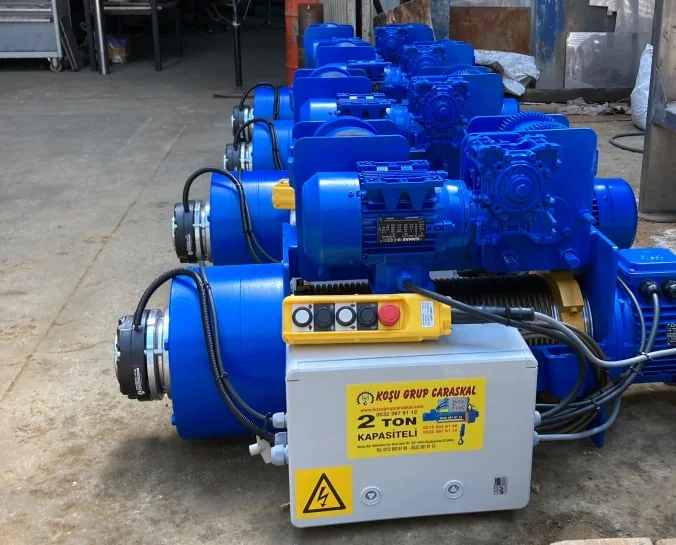
Industrial electric chain hoist for workstation, monorail and crane applications, selected by load, lift height, duty, trolley arrangement and site conditions.
Explore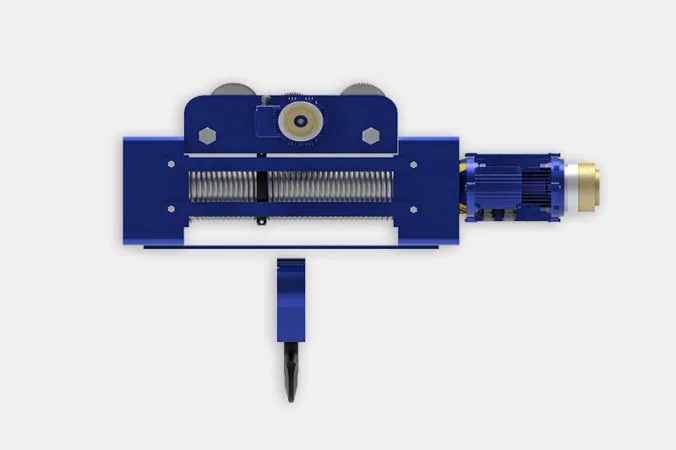
Electric wire rope hoist for industrial crane systems, engineered around load, speed, duty class, hook approach, trolley layout and maintenance access.
Explore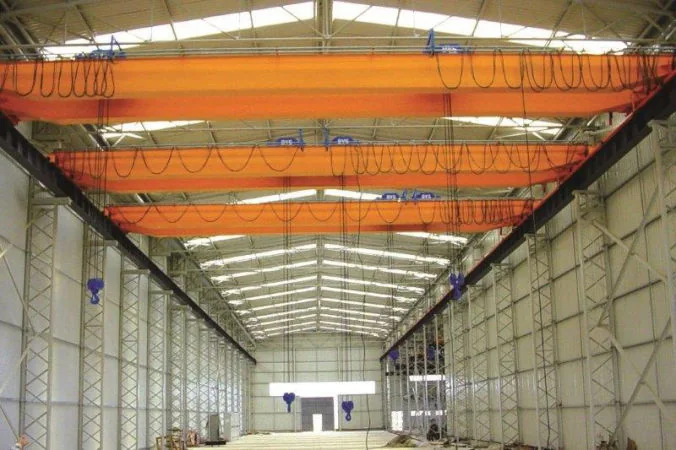
Overhead bridge crane systems engineered around capacity, span, hook height, bridge and trolley travel, supporting structure and operating duty.
ExploreMaximum load, lifting height, horizontal travel, span, operating frequency, power supply, site photographs and installation location help determine the correct system.
A preliminary quotation can be prepared from basic data. A site survey is recommended when the supporting structure, runway, floor, power or installation conditions affect the project.
The scope is technically reviewed after receiving the system type, capacity, brand/model, fault symptoms and site location.
Labels, serial data, capacity, photographs, dimensions and connection details are used to identify a suitable part.
Manufacturing and service coordination from Istanbul is planned across Türkiye according to project scope, schedule and location.
Yes. Project data can be collected remotely, while manufacturing, shipping, installation and service are planned nationwide according to scope and site conditions.
International manufacturing and project enquiries are accepted. Country, power supply, site dimensions, delivery model, installation and documentation are clarified during quotation.
No. The tools prepare enquiry data. Capacity, structure, duty class, dynamic effects and safety require authorised engineering verification.
Initial assessment and service coordination cover hoists, bridge and gantry cranes, controls, brakes, limits, motors, travel, power feeds, chain/rope and spare-part faults.
Equipment labels, full system, runway/beam, hook area, panel, pendant, fault point and safe-distance site views accelerate assessment.
Manufacturer instructions, use intensity, environment, load spectrum, fault history and legal requirements are reviewed together.
A scope can be defined after reviewing structure, mechanics, brakes, limits, controls, motors, gearboxes, power supply and spares availability.
Make/model, serial and capacity labels, dimensions, connectors, mounting, photos and existing part codes are compared together.
 Share your experience
Scan the QR code or tap the button to open the Google review screen.
Review us on Google